An Ode to the Tangible Artifact
Before the cloud, data had weight. The 3.5-inch diskette was a memento of control. An exploration of how its 1.44MB limit was not a bug, but a feature that forced a ruthless discipline of curation and commitment.
1 min read
Nov 18, 2025
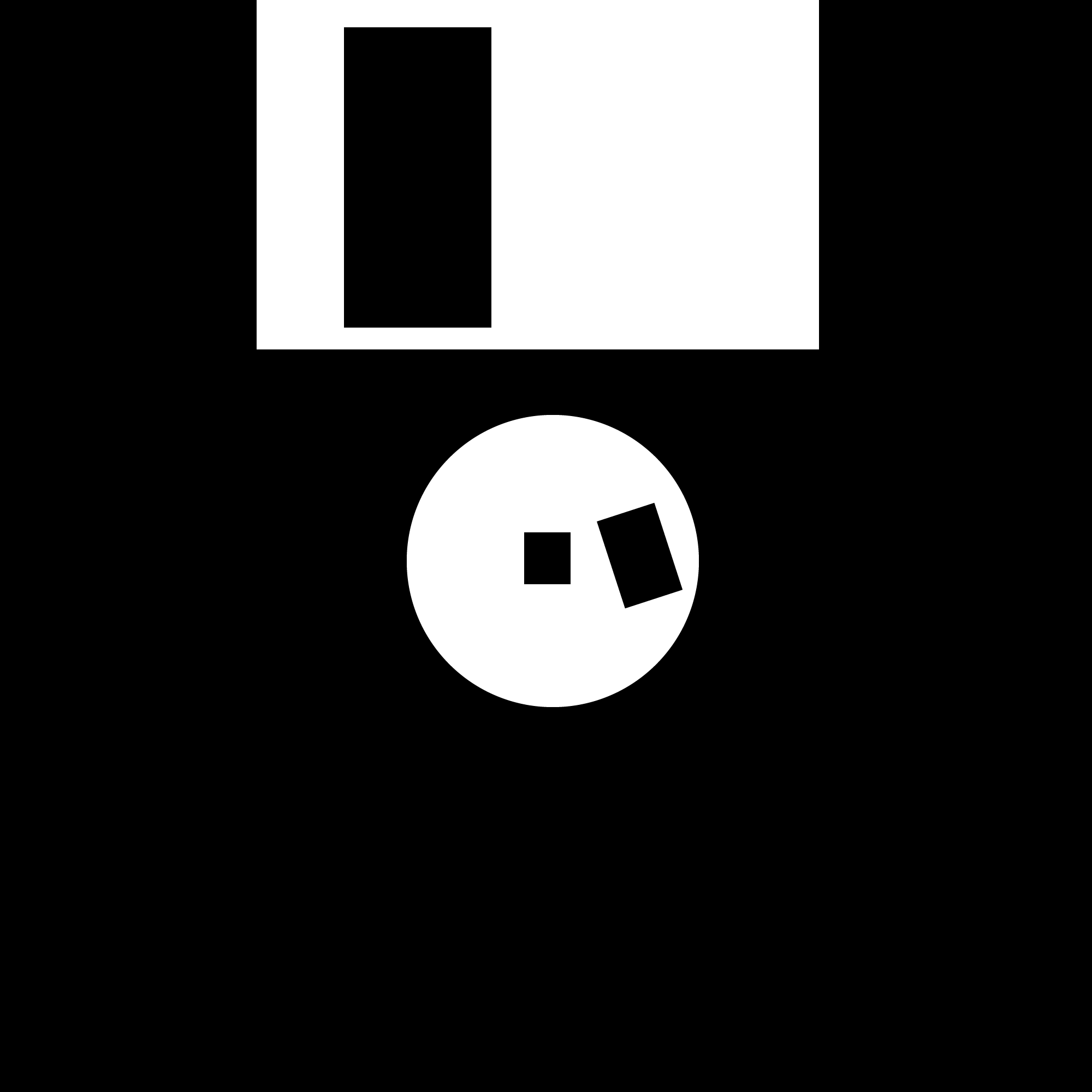
Before the cloud, data had weight. You could hold your work in your hand. The diskette was a physical memento of commitment.
Before data became infinite and ephemeral, our digital work was physical. It lived on a 3.5-inch diskette. This wasn't just storage. It was a tangible artifact of control. Its 1.44 MB limit was not a bug. It was a feature.
A hard, physical boundary that forced a ruthless discipline. You had to decide what was important enough to keep. The physical act of saving—the click, the whirr—was a memento of this commitment. A consequence lost to the autosave.
The design principle is constraint as a tool for discipline. The diskette introduced a hard, physical boundary into a digital world. This tangible "finiteness" was a filter. It forced the user to be ruthless. To curate. To decide what was essential. A hard boundary doesn't just restrict. It forces control.
This is mastery as ruthless curation. The craft wasn't just in saving. It was in committing. The hard limit forced a discipline the infinite cloud has erased. You couldn't save everything. You had to manage your space. Delete old versions. Decide what was essential. The physical "clunk" of the drive was the sound of a choice made permanent. An active, high-stakes moment of control.
We no longer curate. We just accumulate. This was a discipline of knowing when a thing was done.
This is the philosophy of the finite. Restraint is the discipline a hard boundary creates. Mastery is the craft of ruthless, essential curation. Taste is the final file that makes the cut.
The cloud is infinite. The artifact is a commitment.