The Geometry of Suspense
Before Saul Bass, title sequences were a list of names. He turned them into a prologue. A look at how Bass used jagged lines and fragmented type to translate a film's core emotion, proving that abstract forms can tell a complex story.
1.5 min read
Nov 10, 2025
Before Saul Bass, a title sequence was a list of names. He turned it into a prologue.
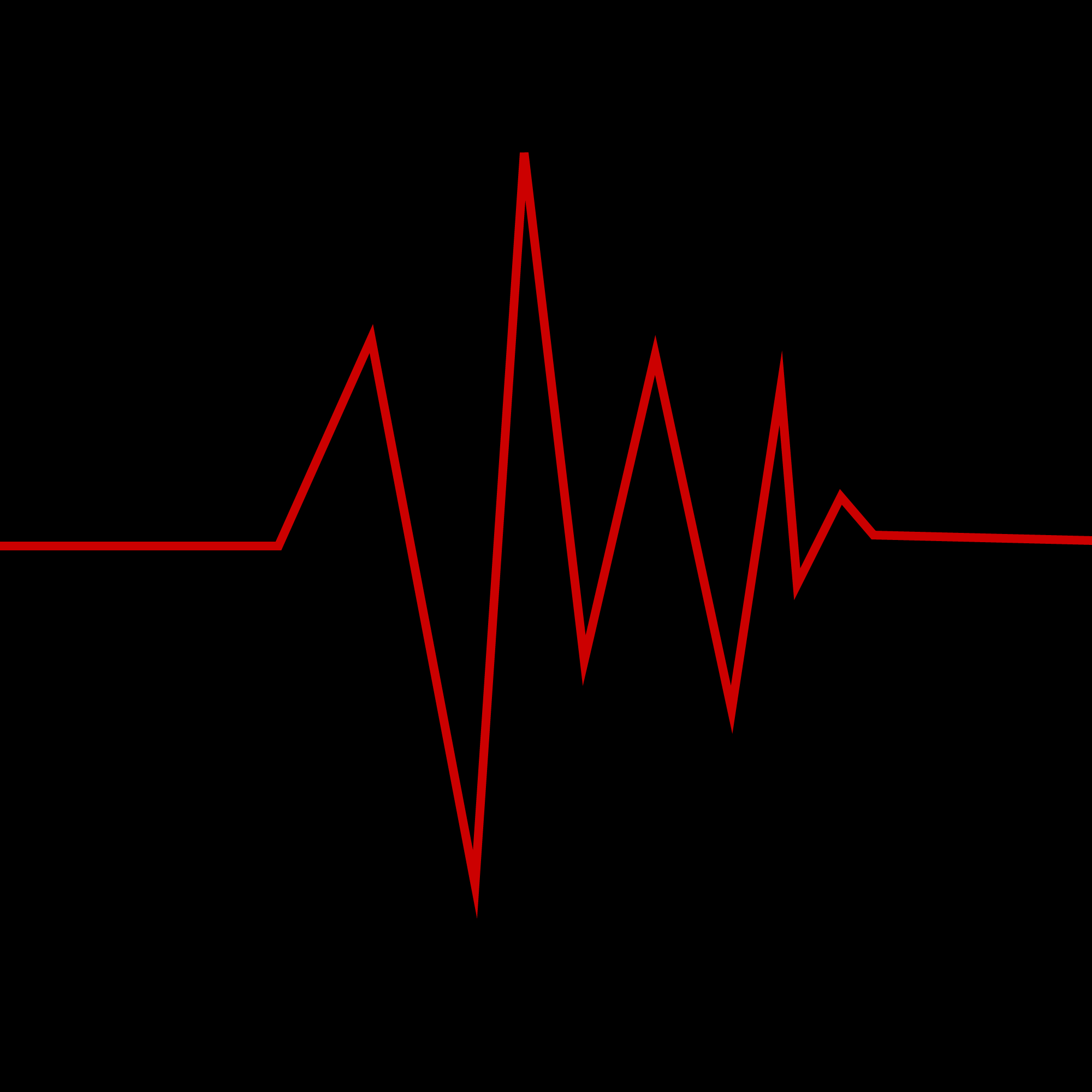
He used jagged lines, fragmented type, and stark, moving blocks. He was designing suspense itself.
Bass redefined the start of a film. Titles used to be a contractual obligation. He made them a psychological prologue.
His method was translation.
He proved geometry isn't cold. He would find a film's core emotion—its tension, its fracture, its unease. Then he'd translate that feeling into a jagged line, an off-kilter word, or an oppressive color.
He made you feel the theme before the story started.
The design principle is emotive translation. Bass proved design isn't just arranging shapes; it's an emotional act.
He translated a film's abstract tone into a tangible, visual language. A jagged, moving bar is the feeling of suspense. Fragmented typography is the story's broken psychology.
His geometry wasn't decoration. It was a narrative tool. It bypassed the intellect and went straight for the nerves.
This is mastery through distillation.
The craft wasn't the animation. It was the patience to find a film's psychological core. He did the hard work of boiling a two-hour narrative into one essential signature.
This discipline is what gave him the confidence to be abstract. He didn't need a literal image. He knew the feeling of a jagged line was more potent.
His work is proof: the most powerful statement is what remains.
This is the philosophy of translation.
Restraint is distilling a two-hour film into a single, abstract form. Mastery is the patience to find the one form that holds the film's entire emotional core. Taste is the confidence that this simple gesture will be more potent than any literal image.
This is the signature of all great narrative. True design is not just what you see. It's also what you feel.